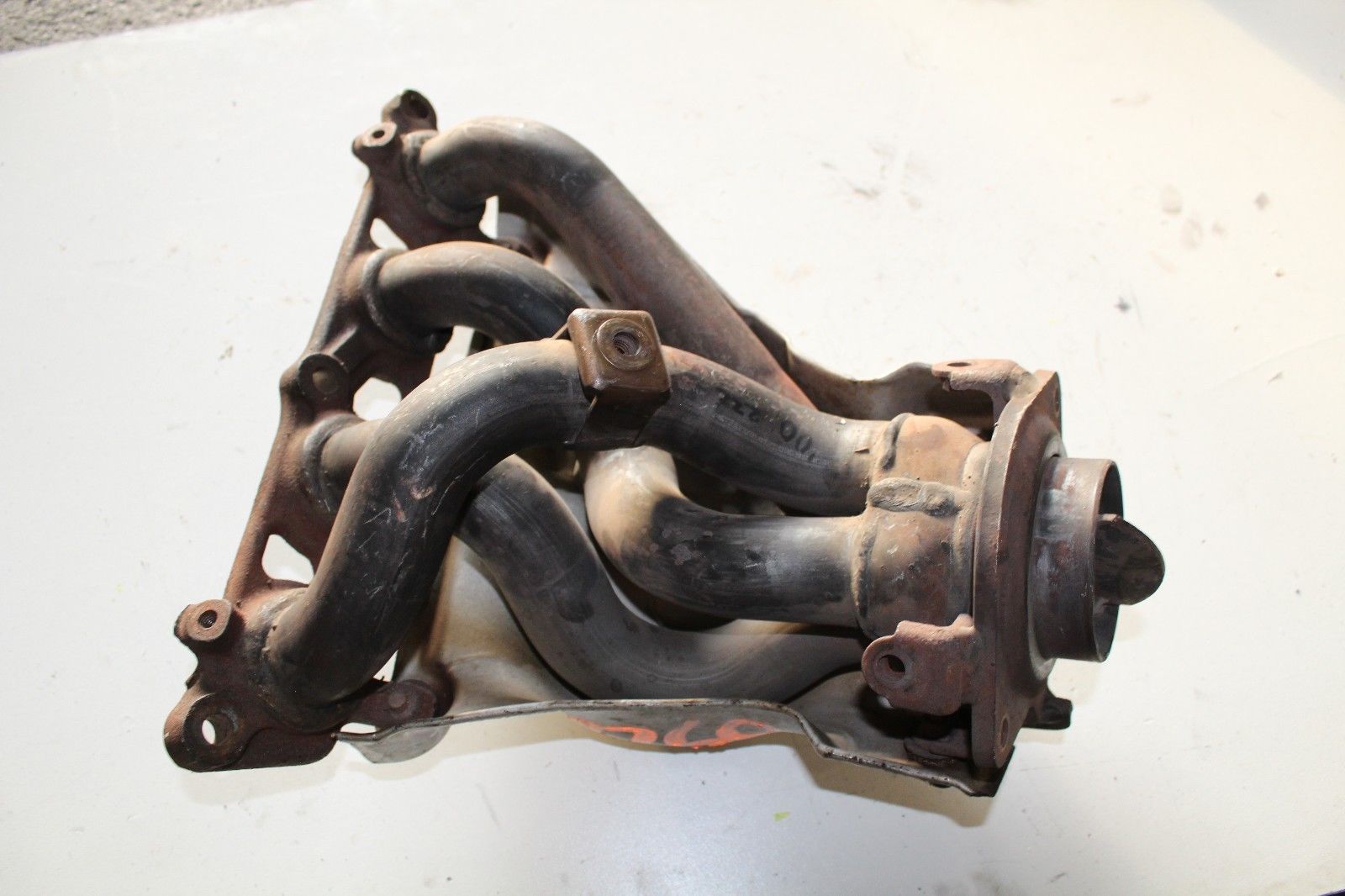
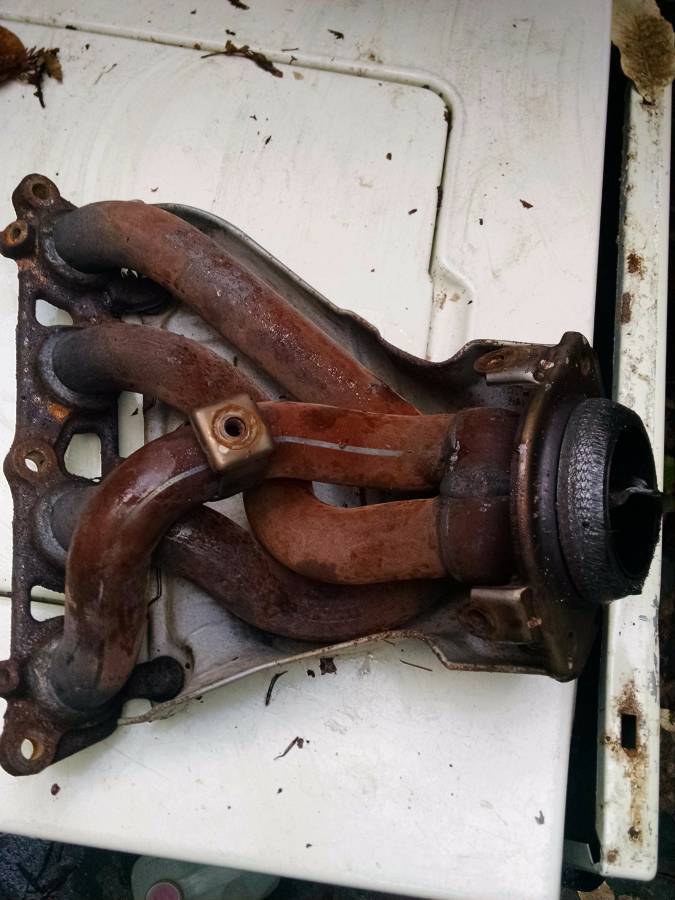
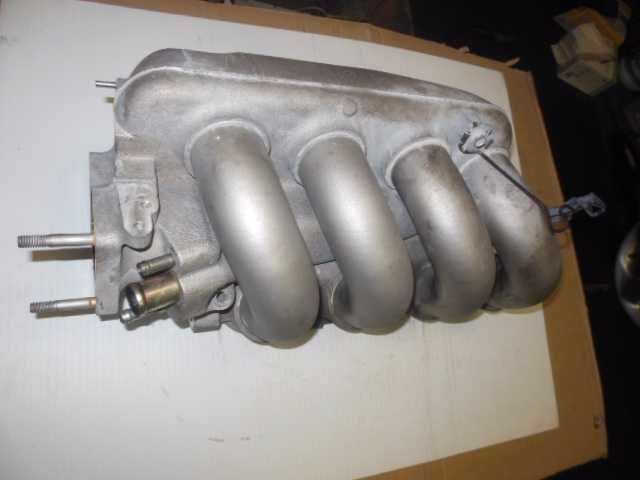
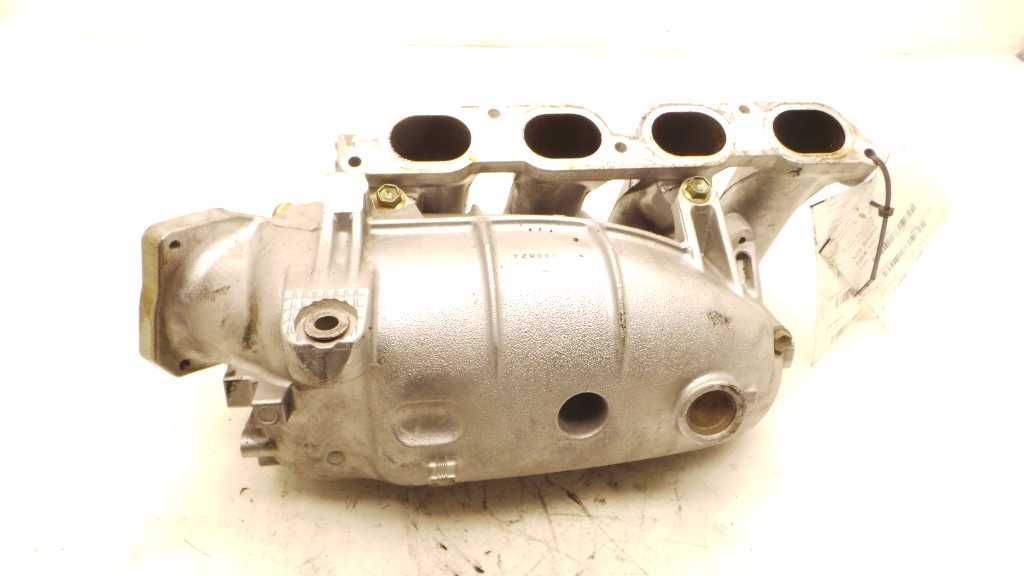
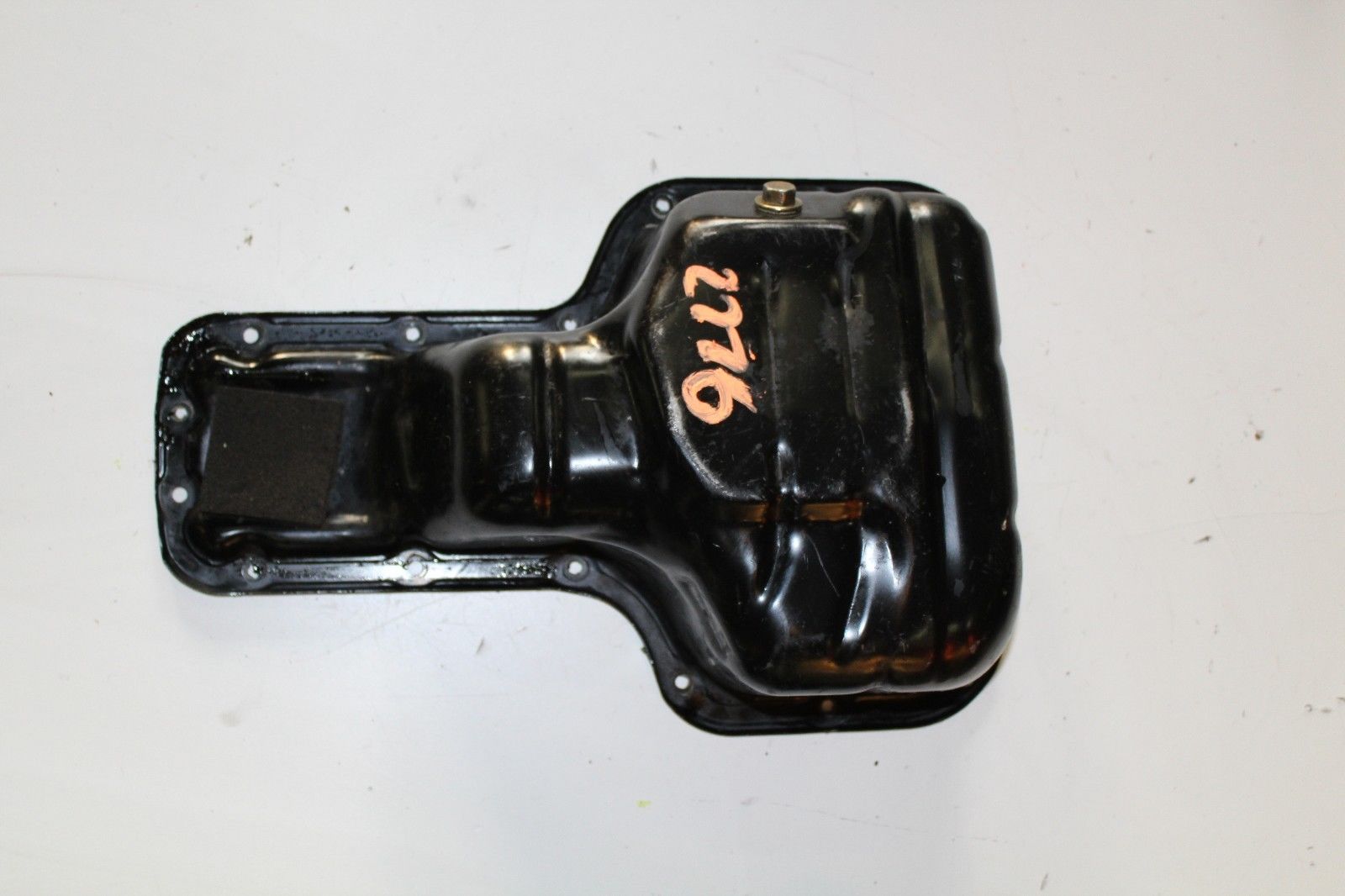
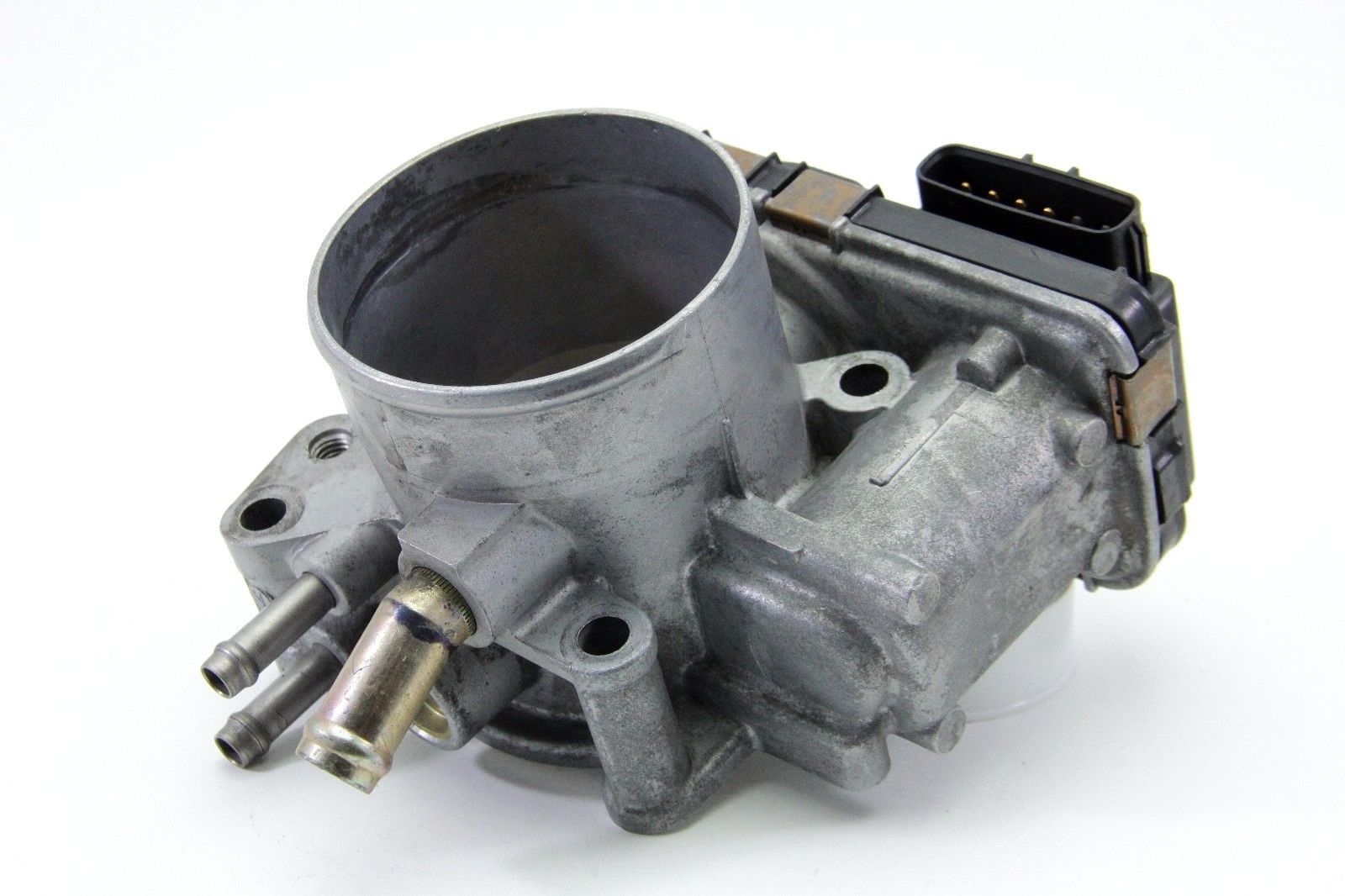
The 2ZZ-GE is a 1.8 L (1796 cc or 109.6 in³) version built in Japan. Bore is 82 mm (3.23") and the stroke is 85 mm (3.35"). It uses MFI fuel injection, has VVTL-i, and features forged steel connecting rods. Compression ratio is 11.5:1, necessitating "premium" gasoline (95..octane or above in the (R+M)/2 scale used in North America[5]). Power output for this engine varies depending on the vehicle and tuning, with the Celica GT-S, Corolla T-Sport,[6][7] Lotus Elise and Lotus Exige offering 141 kW (189 hp) but the American versions of the 2003 Matrix, and Pontiac Vibe versions only developing 180 hp[5] with all later years offering anywhere from 173 hp in 2004 to 164 hp in 2006 due to a recurved powerband. The differing power figures from 2004 through 2006 are due to changes in dynamometer testing procedures. The Australian variant Corolla Sportivo has 141 kW@7600 and 181N·m torque. Due to noise regulations, Toyota recalled them for a flash of the PCM to up their output to classify them in the more lenient "sports car" noise category. The Corolla Compressor and Lotus Exige S add a supercharger with intercooler to achieve 225 hp (168 kW), while the Exige 240R's supercharger increases output to 240 hp (179 kW). The addition of a non-intercooled supercharger to the Elise SC produces 218 hp (163 kW) with a considerable weight saving. The supercharged engines are not labeled 2ZZ-GZE.
Unique to the ZZ family, the 2ZZ-GE utilizes a dual camshaft profile system (the "L" in VVTL-i, known by enthusiasts and engineers alike as "lift") to produce the added power without an increase in displacement or forced induction. The 2ZZ-GE was the first production engine to combine cam-phasing variable valve timing with dual-profile variable valve timing in the American market. The table below lists the specifications of the two camshaft profiles.[WIKI]
|