|
|
|||||||||||||||||||||||||||||||||||||||||||||||||||||||||||||||||||||||||||||||||||||||||||||||||||||||||||||||||||||||||||||||||||||||||||||||||||||||||||||||||||||||||||||||||||||||||||||||||||||||||||||||||||||||||||||||||||||||||||||||||||||||||||||||||||||||||||||||||||||||||||||||||||||||||||||||||||||||||||||||||||||||||||||||||||||||||||||||||||||||||||||||||||||||||||||||||||||||||||||||||||||||||||||||||||||||||||||||||||||||||||||||||||||||||||||||||||||||||||||||||||||||||||||||||||||||||||||||||||||||||||||||||||||||||||||||||||||||||||||||||||||||||||||||||||||||||||||||||||||||||||||||||||||||||||||||||||||||||||||||||||||||||||||||||||||||||||||||||||||||||||||||||||
|
Progress Report-2001 |
|||||||||||||||||||||||||||||||||||||||||||||||||||||||||||||||||||||||||||||||||||||||||||||||||||||||||||||||||||||||||||||||||||||||||||||||||||||||||||||||||||||||||||||||||||||||||||||||||||||||||||||||||||||||||||||||||||||||||||||||||||||||||||||||||||||||||||||||||||||||||||||||||||||||||||||||||||||||||||||||||||||||||||||||||||||||||||||||||||||||||||||||||||||||||||||||||||||||||||||||||||||||||||||||||||||||||||||||||||||||||||||||||||||||||||||||||||||||||||||||||||||||||||||||||||||||||||||||||||||||||||||||||||||||||||||||||||||||||||||||||||||||||||||||||||||||||||||||||||||||||||||||||||||||||||||||||||||||||||||||||||||||||||||||||||||||||||||||||||||||||||||||||||
|
FINAL REPORT |
|||||||||||||||||||||||||||||||||||||||||||||||||||||||||||||||||||||||||||||||||||||||||||||||||||||||||||||||||||||||||||||||||||||||||||||||||||||||||||||||||||||||||||||||||||||||||||||||||||||||||||||||||||||||||||||||||||||||||||||||||||||||||||||||||||||||||||||||||||||||||||||||||||||||||||||||||||||||||||||||||||||||||||||||||||||||||||||||||||||||||||||||||||||||||||||||||||||||||||||||||||||||||||||||||||||||||||||||||||||||||||||||||||||||||||||||||||||||||||||||||||||||||||||||||||||||||||||||||||||||||||||||||||||||||||||||||||||||||||||||||||||||||||||||||||||||||||||||||||||||||||||||||||||||||||||||||||||||||||||||||||||||||||||||||||||||||||||||||||||||||||||||||||
|
|
|||||||||||||||||||||||||||||||||||||||||||||||||||||||||||||||||||||||||||||||||||||||||||||||||||||||||||||||||||||||||||||||||||||||||||||||||||||||||||||||||||||||||||||||||||||||||||||||||||||||||||||||||||||||||||||||||||||||||||||||||||||||||||||||||||||||||||||||||||||||||||||||||||||||||||||||||||||||||||||||||||||||||||||||||||||||||||||||||||||||||||||||||||||||||||||||||||||||||||||||||||||||||||||||||||||||||||||||||||||||||||||||||||||||||||||||||||||||||||||||||||||||||||||||||||||||||||||||||||||||||||||||||||||||||||||||||||||||||||||||||||||||||||||||||||||||||||||||||||||||||||||||||||||||||||||||||||||||||||||||||||||||||||||||||||||||||||||||||||||||||||||||||||
|
Project Title: Exploration of traits associated with competitive ability against JGG using sensor technologies.
Personnel: T. F. Peeper, Plant and Soil Sciences Dept. J. B. Solie, Biosystems and Agricultural Engineering Dept. M. L. Stone Biosystems and Agricultural Engineering Dept. E. G. Krenzer Plant and Soil Sciences Dept. A. E. Stone Plant and Soil Sciences Dept. J. P. Kelley Plant and Soil Sciences Dept.
Time Line: 3-year study, 1st year was 1998-1999, 2nd year was 1999-2000. During the 2000-2001 crop year the experiments conducted the previous year were repeated and three experiments were conducted to investigate the effect of seeding rate upon competitive ability. Processing of the grain samples harvested in June 2001 was completed in January 2002. Analysis of this data is currently underway.
Original Hypothesis: There are cultivars of wheat that compete stronger with jointed goatgrass than other cultivars. The stronger competitors have unique characteristics that have yet to be adequately defined, due to insufficient screening of cultivars. In addition to physical measurements to distinguish the unique characters, electronic instruments may also be a tool to determine competitive ability and the character(s) that confer it.
Summary of Progress: · NDVI (normalized difference vegetative index) was significantly correlated to wheat emergence, forage production, plant height, grain yield, and competitive ability against jointed goatgrass. Thus measurements of NDVI should be useful for evaluating of the competitive ability of wheat cultivars. · Increasing the seeding rate of a cultivar enhanced its ability to compete with jointed goatgrass. However, cultivar by seeding rate interactions in competitive ability were found.
Objectives: A. Use sensor technology to compare emergence, growth patterns, and stand morphology of wheat cultivars with known variation in competitive ability. B. Identify traits associated with competitive ability that can be rapidly quantified using sensor technology.
Experimental Design: The first year data were collected seven wheat cultivars grown with and without jointed goatgrass. In the primary studies conducted in year two, twenty-four winter wheat cultivars were planted with and without jointed goatgrass in a randomized complete block with a factorial arrangement at three locations. This study was repeated the next year at three locations, however because of weather only two were harvested. In an additional study, five cultivars were chosen based on their range of competitive ability and each was seeded at four rates. This study was conducted to determine whether a cultivar could overcome its poor competitive ability if it was seeded more heavily. Each cultivar was planted with and without jointed goatgrass at each seeding rate in a randomized complete block with a factorial arrangement at three locations.
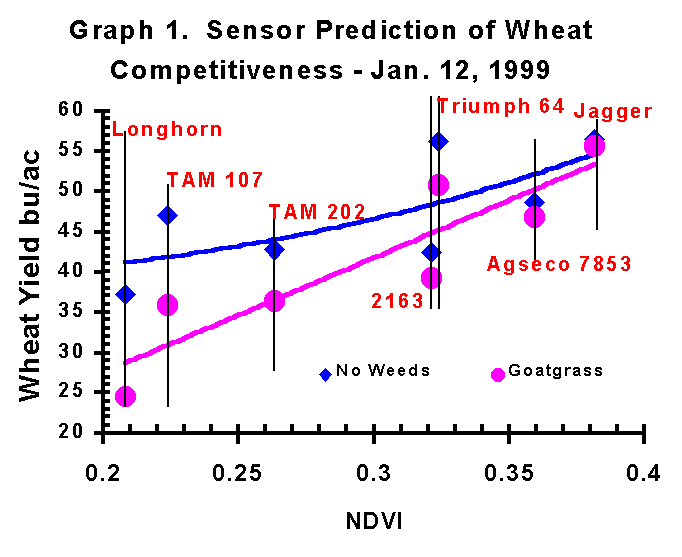
Conclusions: Due to the large amount of collected and the fact we have just finished analysis of harvested samples harvested in 2001, we have not yet reached our final conclusions. During the first year of the project we determined that it was feasible to use remote sensing, however we were unable to develop a practical use for data collected for wavelengths other than 670 and 780 nm. Therefore, we concluded the vast amount of data being collected by the spectrometer was not necessary. By plotting NDVI in mid-January versus the yield of weed-free wheat and the yield of the wheat growing with jointed goatgrass, it was apparent that the amount of yield loss due to jointed goatgrass competition decreased as NDVI increased (Graph 1.). The second year the OSU sensor, which only recorded wavelengths necessary to calculate NDVI, allowed us to collect an immense amount of data. In addition to collecting the sensor data, physical measurements of the wheat were obtained, including stand density, plant heights at jointing, hollow stem, and maturity, wheat head density, and wheat grain yield. Jointed goatgrass measurements included mature height, spike density, spikelets in harvested wheat, and jointed goatgrass spikelet yield. Statistical analysis of the data included analysis of variance and correlations of NDVI to the wheat and jointed goatgrass data. Some of the data are presented in the following tables. Table 1 indicates that wheat characteristics other than mature height were related to competitive ability. By examining the NDVI correlations with measured jointed goatgrass characteristics (Table 2) it appears that early growth and biomass accumulation were important factors in competitiveness. In 1999-2000, there was a significant effect of cultivar on stand density that pooled across sites (Table 3). These differences were not expected and could not be contributed to germination test results. Since there was a high correlation between stand density and competitive ability, we questioned whether stand density or emergence potential was a major influence on competitive ability. Major differences in emergence 7 to 10 days after seeding were also detected at one site in 2000-2001 (Table 3). We are still examining this data. There was considerable difference in wheat height among the twenty-four cultivars (Table 3). The wheat height at Zadock’s 37 was more consistently correlated with jointed goatgrass yield than wheat height at Zadock's 32 or 91 (Table 1). Table 4 shows the effect of wheat cultivar on jointed goatgrass spikelet yield and ranks the cultivars by the numerical jointed goatgrass yield. A ranking of 1 means that the cultivar was the best competitor and a ranking of 24 means the cultivar was the poorest competitor, in terms of the weight of jointed goatgrass spikelets produced per hectare. The top three competitors are tall or medium tall wheats, however, the fourth ranked competitor ‘Dominator’ is classified as medium short. Whereas, the fourth from the worst cultivar in terms of competitive ability is classified as medium tall. Therefore, it might not be surprising that mature wheat height was negatively correlated with jointed goatgrass yield at only two of four sites Perkins r = -0.44 and Chickasha r = -0.21). At three of the five sites wheat yield was negatively correlated with jointed goatgrass yield, Perkins r = -0.22, Orlando 200-01 r = 0.20 and Chickasha r = 0.26. We still have a great deal of data analysis to complete before we draw our final conclusions.
The seeding rate studies were conducted to determine whether a poorly competing culitvar could compete with jointed goatgrass if it was seed at a higher seeding rate. In general increasing the seeding rate of all cultivars decreased the yield loss (Table 5). Although, at two of three sites there were cultivar by seeding rate interactions the data were not perfectly smooth. However, the data indicate that seeding rate must be considered when conducting cultivar competitiveness research in the field.
Table 1. Measured Jointed Goatgrass Characteristics Correlated to Wheat (weed-free) Cultivar Characteristics at three locations.
Table 2. NDVI correlated with measured Jointed Goatgrass characteristics from selected recording times at three locations.
Table 3. Wheat emergence counted 7 to 10 days after planting, pooled over Lahoma, Perkins, and Orlando in 1999,and at Chickasha 2000. Final wheat height at Lahoma, Orlando, and Perkins in 1999-2000 and at Chickasha in 2000-2001.
Publications: Stone, A. E., T. F. Peeper, J. B. Solie, and M. L. Stone. 1999. Hard Red Winter Wheat Spectral Responses To Herbicides. Southern Weed Science Society Abstracts 52:240.
Stone, A. E., T. F. Peeper, E. G. Krenzer, J. B. Solie, and M. L. Stone. 1999. Use of Remote Sensing to Explore Hard Red Winter Wheat Competitive Characteristics. Western Weed Science Society Abstracts 52:62
Stone, A. E., T. F. Peeper, E. G. Krenzer, J. B. Solie, and M. L. Stone. 2000. Evaluation of Hard Red Winter Wheat Cultivars for Their Competitive Ability Against Jointed Goatgrass Using Remote Sensing. Western Weed Science Society Abstracts 53:62-63
Stone, A. E., T. F. Peeper, E. G. Krenzer, J. B. Solie, and M. L. Stone. 2000. Competitive Ability of Winter Wheat Cultivars Against Jointed Goatgrass as Evaluated with Remote Sensing. 5th International Conference on Precision Agriculture Abstracts p.151.
Stone, A. E., T. F. Peeper, E. G. Krenzer, M. L. Stone, J. B. Solie, and J. C. Stone. 2001. Traditional Versus Sensor Measurements of Winter Wheat Cultivars’ Competitiveness. Southern Weed Science Society Abstracts 54: in publication.
Technology Transfer Activities: The results of this research data have been presented at the Southern Weed Science Society meetings, Western Weed Science Society meetings, 5th International Conference on Precision Agricultural and at extension functions. We plan to publish our results in Weed Science and write an OSU extension publication to present to growers. |
|||||||||||||||||||||||||||||||||||||||||||||||||||||||||||||||||||||||||||||||||||||||||||||||||||||||||||||||||||||||||||||||||||||||||||||||||||||||||||||||||||||||||||||||||||||||||||||||||||||||||||||||||||||||||||||||||||||||||||||||||||||||||||||||||||||||||||||||||||||||||||||||||||||||||||||||||||||||||||||||||||||||||||||||||||||||||||||||||||||||||||||||||||||||||||||||||||||||||||||||||||||||||||||||||||||||||||||||||||||||||||||||||||||||||||||||||||||||||||||||||||||||||||||||||||||||||||||||||||||||||||||||||||||||||||||||||||||||||||||||||||||||||||||||||||||||||||||||||||||||||||||||||||||||||||||||||||||||||||||||||||||||||||||||||||||||||||||||||||||||||||||||||||
|
|||||||||||||||||||||||||||||||||||||||||||||||||||||||||||||||||||||||||||||||||||||||||||||||||||||||||||||||||||||||||||||||||||||||||||||||||||||||||||||||||||||||||||||||||||||||||||||||||||||||||||||||||||||||||||||||||||||||||||||||||||||||||||||||||||||||||||||||||||||||||||||||||||||||||||||||||||||||||||||||||||||||||||||||||||||||||||||||||||||||||||||||||||||||||||||||||||||||||||||||||||||||||||||||||||||||||||||||||||||||||||||||||||||||||||||||||||||||||||||||||||||||||||||||||||||||||||||||||||||||||||||||||||||||||||||||||||||||||||||||||||||||||||||||||||||||||||||||||||||||||||||||||||||||||||||||||||||||||||||||||||||||||||||||||||||||||||||||||||||||||||||||||||