|
||||||||||||||||||||||||||||||||||||||||||||||||||||||||||||||||||||||||||||||||||||||||||||||||||||||||||||||||||||||||||||||||||||||||||||||||||||||||||||||||||||||||||||||||||||||||||||||||||||||||||||||||||||||||||||||||||||||||||||||||||||||||||||||||||||||||||||||||||||||||||||||||||||||||||||||||||||||||||||||||||||||||||||||||||||||||||||||||||||||||||||||||||||||||||||||||||||||||||||||||||||
|
Progress Report-2002 |
||||||||||||||||||||||||||||||||||||||||||||||||||||||||||||||||||||||||||||||||||||||||||||||||||||||||||||||||||||||||||||||||||||||||||||||||||||||||||||||||||||||||||||||||||||||||||||||||||||||||||||||||||||||||||||||||||||||||||||||||||||||||||||||||||||||||||||||||||||||||||||||||||||||||||||||||||||||||||||||||||||||||||||||||||||||||||||||||||||||||||||||||||||||||||||||||||||||||||||||||||||
|
NOTICE |
||||||||||||||||||||||||||||||||||||||||||||||||||||||||||||||||||||||||||||||||||||||||||||||||||||||||||||||||||||||||||||||||||||||||||||||||||||||||||||||||||||||||||||||||||||||||||||||||||||||||||||||||||||||||||||||||||||||||||||||||||||||||||||||||||||||||||||||||||||||||||||||||||||||||||||||||||||||||||||||||||||||||||||||||||||||||||||||||||||||||||||||||||||||||||||||||||||||||||||||||||||
|
|
||||||||||||||||||||||||||||||||||||||||||||||||||||||||||||||||||||||||||||||||||||||||||||||||||||||||||||||||||||||||||||||||||||||||||||||||||||||||||||||||||||||||||||||||||||||||||||||||||||||||||||||||||||||||||||||||||||||||||||||||||||||||||||||||||||||||||||||||||||||||||||||||||||||||||||||||||||||||||||||||||||||||||||||||||||||||||||||||||||||||||||||||||||||||||||||||||||||||||||||||||||
|
Title: Integrated Management Systems for Jointed Goatgrass Control in the Central Great Plains Personnel: Philip Westra,
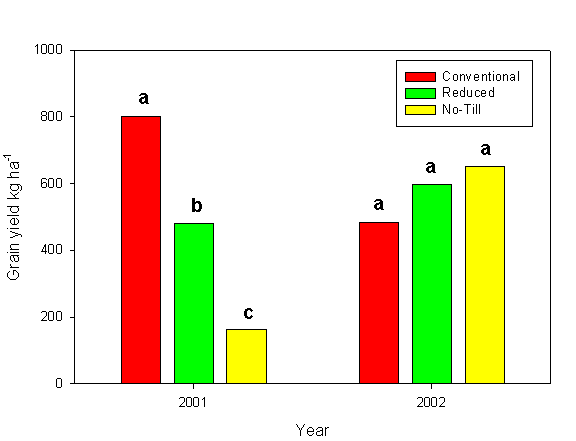
Principal Investigator Time Line:Initiated fall, 1996; projected completion fall, 2003 Hypothesis: Use of cultural practices will reduce jointed goatgrass severity and competition in winter wheat. Objectives:To determine the influence of integrated management practices for controlling jointed goatgrass in winter wheat/fallow rotations. Summary of Progress: Three studies were established in October 1996 on private land near Platner, CO traditionally in a wheat-fallow rotation. Seedling density, biomass, reproductive tillers, and winter wheat yield have been measured each year from 1997 to 2002. Weather conditions in the early fall of 2002 promoted early fall jointed goatgrass emergence and growth allowing for management before wheat planting. The rest of the fall of 2001 and the winter were extremely dry and stressful for jointed goatgrass or wheat growth. Many of the differences in results between 2001 and this year may be attributed to differences in environmental conditions. Many jointed goatgrass did emerge early in the fall but were killed prior to planting by two Roundup RT treatments or tillage. After planting, for which there was excellent moisture, it turned dry. Few jointed goatgrass emerged after planting and the few that did emerge faced good competition from the established wheat population. Therefore, the jointed goatgrass population and competition in 2002 were much lower than normal. Although 2002 was a drought year and not conducive to high wheat yields, the competition from jointed goatgrass was less than in 2001 resulting in similar average wheat yields. Individual plot yields were highly variable in 2002. In all three experiments Lamar and Akron performed better than TAM 107; TAM 107 had done well in 2001. The no-till system did not have significantly higher jointed goatgrass measurements (biomass, tiller number, and height) in 2002 but provided the highest wheat yield (Figure 1). This may have been due to its ability to conserve moisture. Planting density and planting date did not make a difference in 2002. Yields were slightly lower at the higher planting density, probably due to intraspecific competition for moisture in the drought year. A trend was also observed for increased yield when planting was delayed. Subsurface and broadcast nitrogen applications were not applied in 2002. Differences in grain yield were likely due to fertility applied in previous years. The research on this seven-year experiment is finished. The results from all seven years are being compiled and analyzed. A report containing data from all of the years will be written and conclusions drawn. Information on the findings from this project will be shared with Tony White and the results will be written up as a refereed publication. Experimental Design:: This project consists of 3 large studies located near Akron, CO, on private land heavily infested with jointed goatgrass and traditionally used for a wheat-fallow rotation. The studies were initiated in October,1996, and have been maintained since to help better understand the long-term impacts of cultural practices on jointed goatgrass management. In 2001, winter wheat was planted on Sept. 18 and Oct. 10 (delayed planting). Wheat was harvested on July 10, 2001 from a 4 m wide by 15 m long strip in the center of each plot with a commercial combine. 1m by 1m quadrats were harvested from each plot to measure jointed goatgrass and wheat parameters. Progress/Conclusions: Study 1 (Table 1). Akron had the highest yield of the three varieties evaluated. In studies two and three (Tables 2 and 3) Lamar had a higher yield, however. Lamar and Akron appear to be more drought tolerant than TAM107. Grain yield was highest in the no-till system, 651.7 vs. 482.9 kg ha-1 for the conventional tillage system although the difference was not significant due to variability in the data. Jointed goatgrass parameters showed a trend to be higher in the no-till system, evidence of the greater moisture available. Planting density did not effect grain yield differently 592.1 vs. 562 kg ha-1 for the 45 and 67 kg ha-1 planting densities, respectively. Jointed goatgrass parameters were also slightly lower at the higher planting density. Although there were no significant differences, delaying planting until October 10 vs. September 18 tended to increase wheat parameters including yield. There were no consistent trends in the jointed goatgrass measurements (Table 2). Nitrogen placement data shows differences in grain yield likely due to previous fertility treatments. Other variables are not different (Table 3). The performance of the no-till treatment improved compared to 2001. TAM107 did not perform as well as Akron or Lamar in all three studies, although it had the highest yield in study one in 2001. Other variables did not have a significant effect. From the data from these two years we conclude that environmental conditions, especially moisture, have a big effect on the importance of the variables tested, even completely reversing the best treatment in a dry year over a wet year. Publications: Pester, T. A. 2001. Winter annual grass weed management in winter wheat. PhD Thesis, Colorado State University. 107 p. Technology Transfer:: The research site was shown on 3 occasions to wheat producers, agricultural administrative personnel, and researchers. Data from this research was presented numerous times at technology transfer events. The data from this research for the past seven years will be compiled and written for journal submission. We have concluded the wheat/fallow portion of the cultural practices research conducted in the national jointed goatgrass program over the past 7 years. We will collaborate with the other researchers to develop final recommendations. Key points for farmers:
Table 1. Study 1 - The influence of wheat cultivar, wheat planting density, and tillage system on jointed goatgrass and wheat parameters.
Table 2. Study 2 - The influence of wheat cultivar and wheat planting date on jointed goatgrass and wheat parameters.
Table 3. Study 3 - The influence of wheat cultivar and nitrogen placement on jointed goatgrass and wheat parameters.
Figure 1. Grain yield obtained in conventional, reduced and no-till treatments in 2001 and 2002.
Integrated Management Systems - Platner, CO – 2001 Field Activities
.28 kg 2,4-D-LV6 / ha .007 kg Ally 60DF / ha
Roundup Ultra & Liquid AMS 3.5 L / ha (Reduced-till & no-till fallow plots)
Study 1. Sweep-till (“Haybuster”) conventional-till plots Study 2. Sweep-till all fallow plots Study 3. Sweep-till all fallow plots
Study 1. Disk conventional-till and reduced-till plots being planted to wheat (48 plots total). Study 2. Disk all plots being planted to wheat (24 plots total). Study 3. Disk all plots being planted to wheat (24 plots total). |
||||||||||||||||||||||||||||||||||||||||||||||||||||||||||||||||||||||||||||||||||||||||||||||||||||||||||||||||||||||||||||||||||||||||||||||||||||||||||||||||||||||||||||||||||||||||||||||||||||||||||||||||||||||||||||||||||||||||||||||||||||||||||||||||||||||||||||||||||||||||||||||||||||||||||||||||||||||||||||||||||||||||||||||||||||||||||||||||||||||||||||||||||||||||||||||||||||||||||||||||||||
|
||||||||||||||||||||||||||||||||||||||||||||||||||||||||||||||||||||||||||||||||||||||||||||||||||||||||||||||||||||||||||||||||||||||||||||||||||||||||||||||||||||||||||||||||||||||||||||||||||||||||||||||||||||||||||||||||||||||||||||||||||||||||||||||||||||||||||||||||||||||||||||||||||||||||||||||||||||||||||||||||||||||||||||||||||||||||||||||||||||||||||||||||||||||||||||||||||||||||||||||||||||